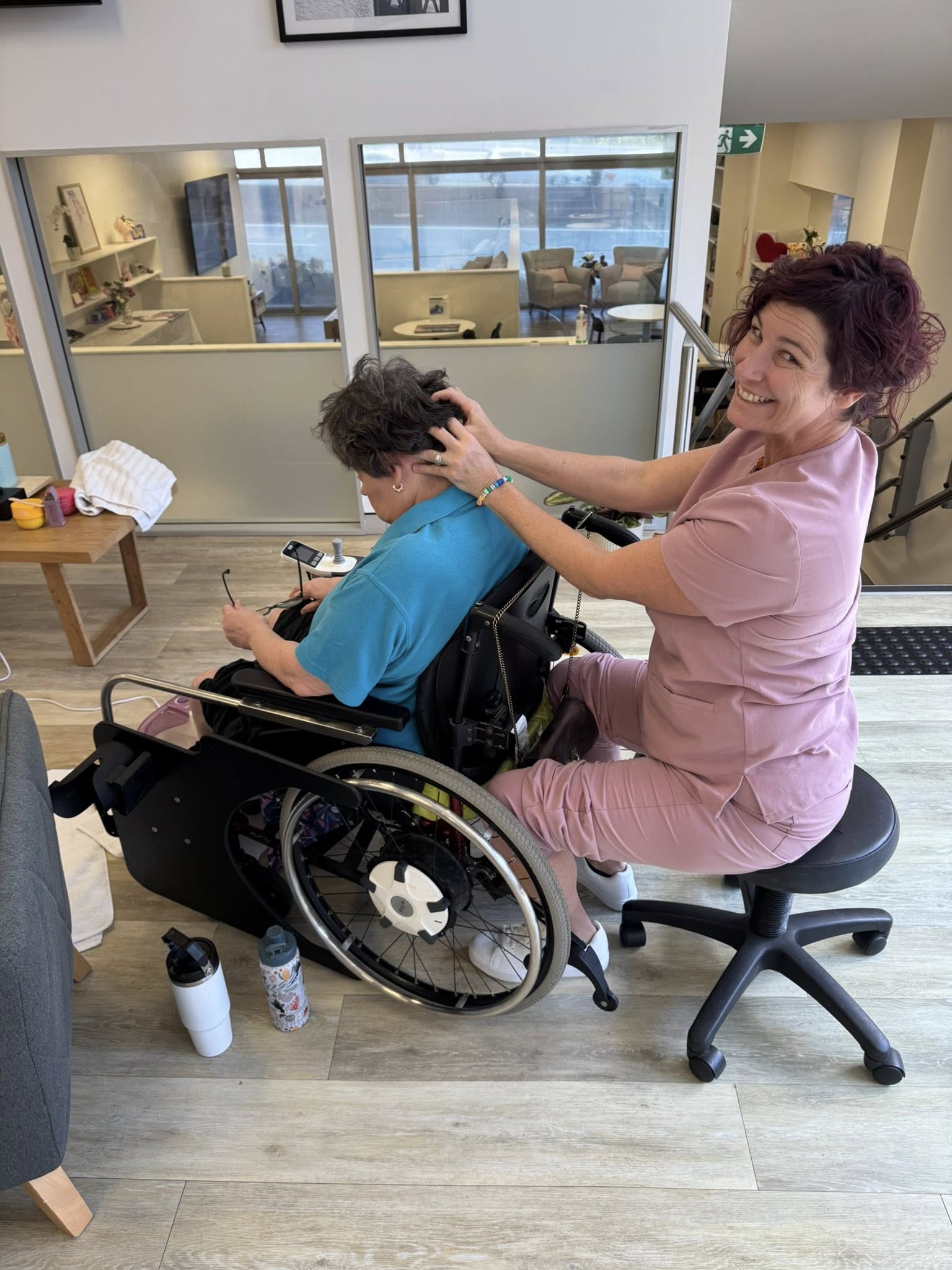

Getting Job Ready: Employment Prep for NDIS Participants
Wanting to work and feeling ready for work are often two very different things.

While employment is often seen as the end goal, the reality is that job readiness begins much earlier. It develops through everyday experiences, routines, and small but consistent steps that build confidence, reliability, and the ability to navigate new situations.
For NDIS participants and families across North Brisbane and the Moreton Bay region, understanding what “being job ready” actually means can make the process feel far more achievable and significantly less overwhelming.
With the right support, these skills can be developed in structured and practical ways, helping participants move toward employment with greater confidence.
What Does “Job Ready” Really Mean?
Being job ready isn’t simply about having work experience or preparing a resume. It’s about having the practical capability and confidence to function in a work environment.
This includes being able to arrive on time, follow instructions, communicate effectively, and adapt to new situations. It also involves staying organised throughout the day and completing tasks with a level of consistency that employers can rely on.
These are not skills that appear overnight. They are developed gradually through everyday life, often long before a person enters the workforce. With the right support from the team at All Abilities Support & Wellbeing and opportunities to practise, participants can begin to understand how these expectations apply in real-world situations.
The Life Skills That Build Job Readiness
Many of the skills required for employment are built outside of a formal workplace. When developed consistently, they form the foundation that allows someone to step into employment with greater confidence.
Building Routine and Time Awareness
Being able to structure a day, understand timing, and arrive prepared are all employer expectations that are often taken for granted.
These behaviours begin with simple, everyday habits. Attending appointments on time, following a regular routine, and preparing for activities in advance all contribute to a stronger sense of time awareness and responsibility.
Participating in structured programs, such as the day events and excursions hosted by the All Abilities Women’s Community Hub can help reinforce these routines. Having a consistent place to attend, with set times and expectations, allows participants to practise punctuality and preparation in a supportive environment.
Developing Practical Communication Skills
Workplace communication is rarely complex, but it does require confidence and clarity. Knowing how to ask questions, ask for assistance, listen to instructions, and interact appropriately with others is important.
These skills are often developed through everyday interactions. Attending group-based programs or community hubs creates natural opportunities to engage with others, ask questions, and participate in conversations.
Learning to Manage New and Unfamiliar Situations
Starting a job often means stepping into environments that are unfamiliar. New people, new routines, and new expectations can feel overwhelming without the right preparation.

Developing the ability to remain calm, adapt to change, and respond positively to feedback helps participants build resilience.
Structured outings and planned activities play an important role. Participating in different environments including community outings, group activities, and new locations, helps participants gradually build confidence in unfamiliar situations, making the transition into a workplace far more manageable.
Building Reliability Through Task Completion
Reliability is one of the most valued qualities in any workplace. It is demonstrated through the ability to begin a task, stay engaged, and complete it to the best of your ability.
This is often developed through everyday activities that require focus, structure, and follow-through. Group-based activities and structured sessions provide opportunities to practise completing tasks within a set timeframe and as part of a broader routine.
Over time, these experiences help reinforce a sense of accountability and consistency.
Strengthening Independence in Daily Preparation
Preparing for work begins well before arriving at a workplace to start your workday. It involves being ready for the day, both practically and mentally.
Organising personal items, following routines, and managing simple daily tasks all contribute to a greater sense of independence. These actions reduce reliance on others and help participants feel more in control of their day.
Why These Skills Matter More Than You Think
Employers often place as much importance on behaviour and reliability as they do on ability. The ability to be consistent, communicate effectively, and respond appropriately in different situations is what allows someone to succeed and remain in a role.
For many NDIS participants, developing these life skills leads to a noticeable shift in confidence. Rather than feeling uncertain about expectations, they begin to understand how to approach different situations and what is required of them in a workplace setting.
How Job Readiness Skills Are Built in Everyday Life
Job readiness is not something that can be developed through just hoping to be ready. It is built through real-life experience, where participants have the opportunity to practise skills in meaningful ways.
Attending our Women’s Community Hub, participating in group-based programs, and engaging in structured outings all provide valuable opportunities to build these skills in a practical context.
These environments allow participants to:
- practise routines and time management
- build confidence communicating with others
- experience new situations in a supported way
- develop consistency through regular participation
Over time, these experiences create a strong foundation for employment readiness.
How Support Workers Help Build Job Readiness
Support workers play a key role in bridging the gap between everyday life and employment readiness. Preparing for work is not about rushing into a job. It is about building the confidence and capability needed to succeed when the opportunity arises.
At All Abilities Support & Wellbeing, support workers work alongside participants to develop practical skills in real-world contexts.
Rather than focusing solely on employment outcomes, our approach focuses on developing the underlying skills that make employment possible.
If you’re looking to build these skills in a practical and supportive environment, All Abilities Support & Wellbeing can help guide that journey.
Get Started Today
If you are, or care for, an NDIS participant in North Brisbane or the Moreton Bay region and would like to learn more about job readiness, All Abilities Support & Wellbeing is ready to support you.
Contact All Abilities Support & Wellbeing today.
📞 1300 209 014
📧 Contact via email HERE
📍 257 Gympie Road, Kedron QLD 4031