
Why Families Still Feel Overwhelmed Even with NDIS Support
Sometimes the hardest part of supporting a loved one with disability is carrying the constant responsibility of holding everything together.

Appointments, routines, communication, emotional support, daily organisation – over time, the pressure of managing everything can become exhausting, and overwhelming even when NDIS support is already in place.
For many families, the expectation is that disability support services will reduce stress and create more balance at home. But when support is inconsistent, reactive, or disconnected from everyday needs, families can still find themselves carrying most of the responsibility alone.
At All Abilities Support & Wellbeing, we regularly speak with carers and family members across North Brisbane and Moreton Bay who feel emotionally and mentally exhausted, despite having funded supports in place. One of the biggest misconceptions surrounding the NDIS is that support hours automatically reduce pressure at home.
In reality, the quality, consistency, and structure of support are what truly make the difference.
What Carer Burnout Often Looks Like in Everyday Life
Burnout does not always look dramatic or obvious. More often, it develops gradually through the ongoing mental and emotional load families carry every day.
Many carers become so used to managing everything that they stop recognising how much pressure they are actually under.
What often makes burnout difficult to recognise is that the pressure builds slowly, becoming part of everyday life before families realise how much they are carrying.
For some families, this means feeling unable to properly switch off or relax because they are always anticipating the next issue that needs attention. Others find themselves balancing caregiving responsibilities alongside work, relationships, financial pressure, and their own wellbeing, often with very little time to recover physically or emotionally.
There is also a level of emotional responsibility that many carers quietly carry. Families often feel guilty asking for help, worried about what will happen if supports fall through, or concerned that no one else fully understands the participant’s needs, routines, or communication style.
Over time, this ongoing pressure can become overwhelming, especially when disability support services are not effectively reducing the load families carry at home.
Why Some Families Still Feel Overwhelmed Even with NDIS Support
One of the most frustrating experiences for carers is having funded support in place, yet still feeling like everything depends on them.
This often happens when support becomes reactive rather than structured and purposeful. Support workers may attend shifts and complete tasks, but families are still coordinating communication, maintaining routines, managing schedules, and stepping in whenever issues arise.
In some cases, support services become heavily task-focused without helping participants build greater confidence or participation in everyday life. While the support may technically be there, the long-term pressure on families remains unchanged.
At All Abilities Support & Wellbeing, we believe quality disability support services should create greater stability and reduce pressure within the home, not create more coordination and stress for families.
When Support Creates More Stress Instead of Less
Families should not feel like they are managing the entire support system on their own.

Unfortunately, many carers across Brisbane, North Brisbane, and Moreton Bay describe feeling like they have become full-time coordinators — constantly organising schedules, chasing communication, managing last-minute cancellations, and repeatedly explaining routines or participant needs to new support workers.
For participants, this inconsistency can also have a significant emotional impact. Frequent and unplanned changes in workers or routines may lead to anxiety, withdrawal, frustration, or resistance toward support services altogether.
Consistency is not just convenient — it is an essential part of effective disability support services.
When support feels unpredictable or disconnected from daily life, the emotional pressure on families often increases rather than decreases.
What Quality Disability Support Should Actually Feel Like
Good disability support services should feel reliable, structured, and genuinely supportive for both participants and their families.
Participants should feel comfortable with the people supporting them, confident in their routines, and actively encouraged to participate in everyday life. Families should feel reassured that support workers understand the participant’s needs, communicate clearly, and are working toward meaningful progress over time.
Importantly, quality support should not feel passive or repetitive. There should be a sense that routines are improving, confidence is growing, and daily life is becoming more manageable.
At its best, support becomes something that creates stability within the home environment rather than adding to the stress families are already carrying.
Why Relationship-Based Support Matters
The relationship between a participant and their support worker can have a significant impact on how effective support feels.
Participants are far more likely to engage positively when they feel understood, respected, and comfortable with the people supporting them. Trust, communication style, consistency, and personality all influence whether support feels safe and productive.
Families also benefit enormously from relationship-based support. When carers trust the people involved, they often feel more confident stepping back from constant coordination and responsibility.
This is why personalised support matching is such an important part of quality disability support services.
At All Abilities Support & Wellbeing, we focus heavily on creating strong participant-support worker relationships built on consistency, communication, and genuine understanding of the participant’s goals, personality, and routines.
How All Abilities Support & Wellbeing Helps Reduce Pressure on Families
Our approach is designed not only to support participants, but also to reduce the hidden pressure many families carry every day.
We provide personalised disability support services across North Brisbane and Moreton Bay, including in-home support, life skills development, community participation, and structured support programs tailored to each participant’s individual goals and routines.
Rather than taking a passive approach, we focus on helping participants build confidence, stability, and greater participation in everyday life while also creating more consistency and balance within the home environment.
This includes:
- proactive communication with families
- reliable and consistent support delivery
- structured routines and participant-focused planning
- support that encourages long-term growth rather than dependence
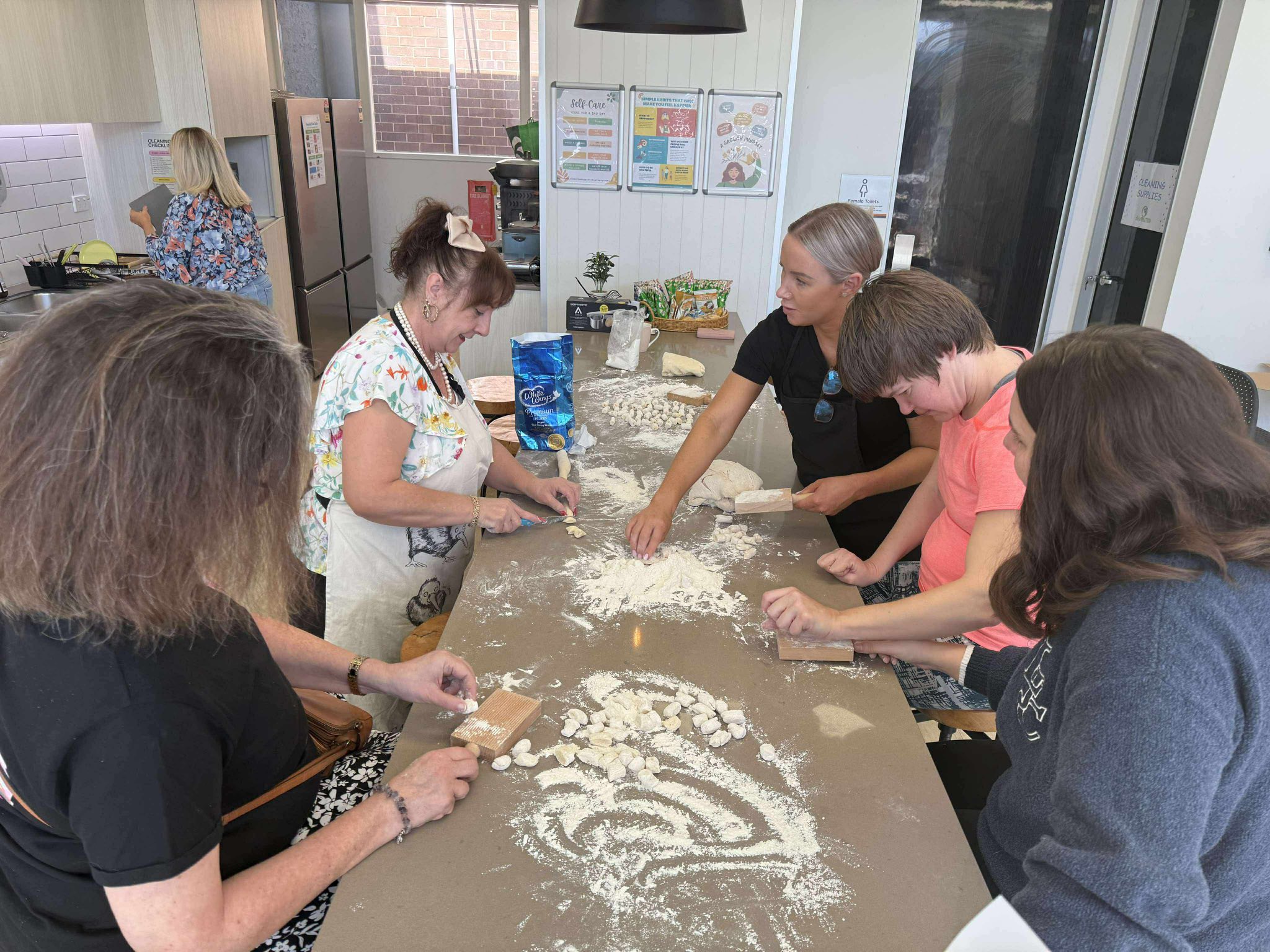
Programs such as our Women’s Community Hub also provide safe and supportive opportunities for social connection, confidence building, and community engagement.
Most importantly, we believe support should make life feel more manageable for everyone involved, not add more stress and responsibility to families already carrying a significant load.
Support Should Make Everyday Life Easier
Good NDIS support should help families feel supported, not overwhelmed.
When disability support services are personalised, reliable, and genuinely focused on participant growth, the impact extends beyond the participant themselves.
Families often experience greater stability at home, reduced stress, and reassurance that they are no longer carrying everything alone.
Looking for Disability Support Services in North Brisbane or Moreton Bay?
If your current support arrangements are not reducing pressure at home, it may be time to explore a different approach.
All Abilities Support & Wellbeing provides personalised disability support services across North Brisbane and Moreton Bay, helping participants and families create greater stability, consistency, and meaningful everyday progress through high-quality NDIS support.
Get Started Today
If you are, or care for, an NDIS participant in North Brisbane or the Moreton Bay Region, All Abilities Support & Wellbeing is ready to support you.
Contact All Abilities Support & Wellbeing today.
📞 1300 209 014
📧 Contact via email HERE
📍 257 Gympie Road, Kedron QLD 4031